
Educational Materials & Information
Bullying prevention information, statistics, activities and partner resources for youth, families, educators and workplaces.
New
Free online activities
Bloom Notes, How I Bloom, word searches, conversation starters, a feelings wheel and more, free to use on a classroom screen or students’ own devices.
Try the activities →Activities
ExploreFree online activities: Bloom Notes, How I Bloom, word searches, conversation starters, paper activities, questions for reflection and a feelings wheel. They work on a classroom screen or students’ own devices.
Bullying Information
ExploreWhat bullying is and the types it can take, the signs to look for, what to do if you are being bullied or see it happen, how to stop bullying others, and back-to-school tips for every level.
Bullying Statistics
About 1 in 3 Canadian students in grades 6 to 10 say they have been bullied. Key statistics on bullying and youth mental health in Canada.
All statistics on Why It Matters →
Explore
High school students
Born This Way Foundation
ExploreOur partner, co-founded by Lady Gaga and her mother, Cynthia Germanotta. Creative self-expression resources for high school students that build confidence and resilience.

Cyberbullying and online safety
Youth Digital Compass
ExploreDeveloped by researchers at McGill University, Youth Digital Compass offers research-based resources to help youth, parents, and educators navigate online life safely. Explore videos, infographics, quizzes, and tip sheets that build awareness of cyberbullying and encourage kindness, respect, and positive digital citizenship.
Autism awareness
The Quinni Project
ExploreFounded by Cameron Tania, an award-winning Toronto singer-songwriter and vocal coach, The Quinni Project raises awareness of low support needs autism, masking, and late diagnosis in young adult women. Developed through the VERSIONS Youth Fellowship, it was inspired by Cameron’s own journey toward diagnosis and seeing herself reflected in Quinni, the autistic character in Heartbreak High.
Elementary school students
Book Partnerships
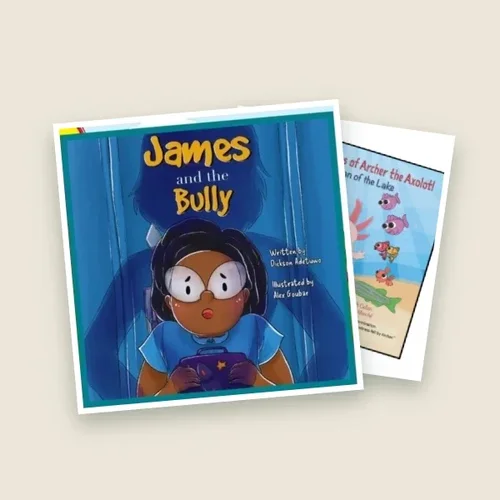
ExploreJames and the Bully, by Dickson Adetuwo, follows a young boy facing persistent bullying at school. Discussion questions are included to encourage reflection among young readers about their own experiences with bullying.

Truth and reconciliation
Gord Downie & Chanie Wenjack Fund
ExploreCreated in memory of Chanie Wenjack, a 12-year-old Anishinaabe boy who died in 1966 after running away from a residential school, the Gord Downie & Chanie Wenjack Fund offers free reconciliation education resources for schools and communities, including its Legacy Schools program.
Activities
Bullying prevention and awareness activities from our school curriculum, free to use right here on our website, on a classroom screen or students’ own devices. Schools that book a Florens Tour also receive the printable worksheets and answer keys. We are a charity and donations are greatly appreciated. Thank you!
- Try it onlineBloom NotesAfter the presentationMake a note →
- Try it onlineHow I BloomTake the Bloom PledgeTake the pledge →
- Play onlineWord searchElementary and high schoolPlay now →
- Try it onlineConversation startersBefore the presentationStart now →
- Try it onlinePaper activitiesActivities 1 to 3Try them →
- Try it onlineQuestions for reflectionAfter the presentationReflect now →
- Try it onlineFeelings wheelFind the words for how you feelFind your words →
Printable worksheets and answer keys are included for schools that book a Florens Tour. Book the Florens Tour →
About each activity
Bloom Notes: an interactive online activity. Students tap words to build a short note to their younger self or a friend, then keep it as a picture or send it to us anonymously. It works on a classroom screen or students’ own devices. Make a Bloom Note →
How I Bloom (the Bloom Pledge): an interactive online activity for Bloom Above Bullying Week. Students and staff take the Bloom Pledge by finishing the sentence “I Bloom Above Bullying by…”, then pick a flower and make a pledge card to save or share, or a short script for a video. It works on a classroom screen or people’s own devices. Take the Bloom Pledge →
Word search (online): play the elementary or high school word search right on our website, on a classroom screen or students’ own devices. Every word comes from what Florens stands for, with a “talk about it” question to finish. Play the word search →
Conversation starters: true-or-false questions and big questions to talk about before a presentation, for elementary and high school. Start the conversation →
Paper activities: three activities about the impact of bullying, letting go, and stepping in together. Do them on screen, or grab a real piece of paper and do them with your hands. Try the paper activities →
Questions for reflection: after the presentation, students answer in their own words. Their answers stay private on their own device. Reflect now →
Feelings wheel: start in the centre and keep going out to find the words for how you feel. Every feeling is valid, and nothing is saved or sent. Find your words →
© 2026 Florens Foundation. All rights reserved. Our activities, puzzles and worksheets are free to use with your class, group or family. Please don’t copy, sell or republish them without our written permission.
Bullying Information
What is bullying?
Some people call it harassment, abuse or just being mean. Whatever you call it, bullying is harmful and unwanted behaviour.
Bullying usually has three parts:
- It is on purpose. Someone is trying to hurt, frighten, exclude or embarrass another person.
- It usually happens more than once.
- There is a power imbalance. The person bullying has more power, for example because they are older, bigger, more popular, part of a group, or know something private about the other person.
Bullying is not a rite of passage. It is never okay and never deserved, and if it is happening to you, you are not alone. Bloom above bullying with us! #BloomAboveBullying
Is it bullying or conflict?
Not every disagreement is bullying. A conflict is when people with equal power disagree, and both want to work it out. Bullying is when one person or group keeps using their power to hurt someone. Both are worth talking to a trusted adult about.
Types of bullying
Bullying can affect a person’s feelings, relationships, self-esteem and sense of safety at school, at home, online and in the community. It can look like:
- Physical: hitting, shoving, tripping, kicking, or damaging someone’s belongings.
- Verbal: name-calling, threats, teasing or insults.
- Emotional or psychological: humiliation, intimidation, or trying to control or manipulate someone.
- Social: leaving someone out on purpose, spreading rumours, or the “silent treatment.”
- Cyberbullying: using texts, social media, games, group chats or other technology to hurt someone, including sharing private photos or messages.
- Discriminatory: targeting someone because of their race, ethnicity, religion, disability, body, sexual orientation, gender identity or another part of who they are.
Everyone has a role
Bullying affects everyone: the person being bullied, the people who see it, and the person doing it. Because bullying is about power, the people who see it have power too. Choosing to be an upstander, by safely stepping in together, supporting the person being hurt, or going to a trusted adult together, can change what happens next.
When bullying crosses a line
Most bullying isn’t a crime, but it is always wrong and always worth talking about. Some bullying is also against the law, like:
- Threats to hurt someone, or their family, pets or things
- Hurting someone, like hitting, kicking or pushing them
- Taking money or things by scaring someone
- Following or watching someone again and again so they feel afraid
- Sharing private pictures of someone, or threatening to, including fake pictures made with AI
If any of this is happening to you or someone you know, tell a trusted adult right away. You don’t have to decide what to do next on your own, and it is never your fault.
For parents, caregivers and educators
- Listen and believe. Thank them for telling you, stay calm, and let them know it isn’t their fault.
- Keep a record. Save screenshots, messages and dates, and write down what happened.
- Talk to the school. Each province and territory sets its own rules. In Ontario, every school board must have a bullying prevention and intervention plan.
- If someone is in danger, call 9-1-1. For threats, assault or intimate images being shared, you can contact the police. If intimate images of a young person are being shared, Cybertip.ca and NeedHelpNow.ca can help get them taken down.
- Go at their pace. Young people never have to report, and it isn’t their fault if they didn’t or couldn’t.
This is general information, not legal advice. What the law says about bullying → · Free legal information and help →
Signs (what to look for)
Young people often find it hard to talk about bullying, especially with adults. They may feel embarrassed, worry that telling will make things worse, or not have the words for what is happening. That’s why it helps for families and educators to know the signs, whether a young person is being bullied or is bullying others.
No single sign means bullying is happening. Look for changes that last, or several signs together, and trust your instincts.
Signs that a young person may be being bullied
- Has few or no friends, seems isolated, or is left out of groups
- Changes in sleep, such as trouble sleeping or nightmares
- Changes in eating, or comes home hungry
- Grades drop, or loses interest in school or activities they used to enjoy
- Doesn’t want to go to school, take the bus, or go to certain places or activities
- Seems anxious, fearful, tearful, irritable or easily angered
- Has mood swings, or becomes withdrawn or aggressive
- Has unexplained injuries, or torn, damaged or missing belongings
- Often complains of headaches, stomach aches or feeling sick
- Says negative things about themselves
- Refuses to talk about what is wrong
- Seems upset after using their phone, games or social media, or suddenly stops using them
- Starts picking on siblings or younger children
- Talks about hurting themselves or others. Take this seriously and get help right away.
Signs that a young person may be bullying others
- Is aggressive with family members, friends or pets
- Is bossy, controlling or manipulative with others
- Has unexplained money or belongings
- Doesn’t seem to recognize how their behaviour affects others
- Is secretive about their belongings, phone or activities
- Sees aggression as a good way to get what they want
- Gets frustrated or angry quickly
- Shows little concern for other people’s feelings
Things that can contribute to bullying behaviour
Understanding why a young person might bully doesn’t excuse the harm, but it can help adults respond in a way that leads to real change. Some things that can contribute:
- Friends who bully or act aggressively, or pressure to fit in with a group
- Being bullied or hurt themselves, at school, online or at home
- Seeing adults or older siblings use yelling, aggression, exclusion or put-downs to get their way
- Few chances to feel successful or to shine at home, at school or in the community
- Feeling jealous, insecure or unheard
- Feeling like they have no one to talk to about their own struggles
If you notice signs
- Stay calm and listen. Choose a quiet moment and ask open questions, like “How are things going with your friends?”
- Believe them and thank them for telling you. Let them know it’s not their fault.
- Work with the school. Share what you know with their teacher, principal or school counsellor, and follow your school’s procedures.
- Keep a record of what happened, when and where, including screenshots of anything online.
- If a young person is bullying others, make it clear the behaviour must stop, help them understand its impact, and work with the school on support and accountability.
Need to talk? Kids Help Phone is free, confidential and available 24/7: call 1-800-668-6868 or text CONNECT to 686868. Anyone can call or text 9-8-8, any time. If someone is in immediate danger, call 9-1-1. All support resources →
Are you being bullied?
It is never your fault, and you don’t deserve it. Being bullied can feel hurtful, scary and lonely, but you are not alone. You are worthy, you are enough and you matter.
- Put your safety first. Stay near people you feel safe with, and avoid places and situations where the bullying happens when you can. This goes for online spaces too: you can block, mute and report.
- Tell a trusted adult. Speaking up protects you, and it can protect others too. Talk to a parent or caregiver, teacher, school counsellor, coach or another adult you trust. If the first person doesn’t help, keep telling until someone does.
- Keep a record. Write down what happened, when and where, and save screenshots of messages or posts. This makes it easier to report.
- Lean on people who care about you. Most people disapprove of bullying and will be on your side.
- Find ways to calm your body and mind. Try slow breathing, going for a walk, listening to music, drawing, writing in a journal, using a fidget, or having a snack and some water. Having a calm space you can go to can help too.
- Remember the truth about you. Bullying can make you start believing hurtful things about yourself. Those words say more about the situation than about who you are.
Need to talk? Kids Help Phone is free, confidential and available 24/7: call 1-800-668-6868 or text CONNECT to 686868. Anyone can call or text 9-8-8, any time. If someone is in immediate danger, call 9-1-1. All support resources →
How to help someone being bullied
Finding out that someone you care about is being bullied is hard, and you might feel sad, scared or angry. It’s not up to you alone to make it stop, but you can make a real difference. You can be an upstander, and you don’t have to do it alone.
- Reach out. Check in and ask how they’re doing. Just being there shows them they’re not alone.
- Stick together. Sit with them at lunch, walk with them between classes, include them in plans, and don’t spread rumours.
- Step in, if it’s safe. Calmly say the behaviour isn’t okay, or help the person leave the situation. When peers step in, bullying usually stops, often within seconds. If stepping in doesn’t feel safe, go and get an adult right away.
- Help them keep a record of what happened, when and where.
- Encourage them to tell a trusted adult, and offer to go with them. If you’re worried about them, it’s okay to tell an adult yourself.
- Look after yourself too. Supporting someone can be heavy. Talk to someone you trust about how you’re feeling.
Even if your friend isn’t ready to get help right away, you are still helping by being there.
What to do if you’re bullying others
If you’re reading this and thinking about how you treat people, that’s an important first step. Everyone has the right to be treated with respect and to feel safe, and you can change how you act.
- Take responsibility. No matter what someone has done, or whether you like them, it’s never okay to bully them.
- Understand the impact. Bullying can lead to anxiety, depression, loneliness and problems at school and in relationships, and it can hurt everyone involved, including the person doing it.
- Ask yourself what’s going on. People sometimes bully because they’re feeling hurt, angry, jealous, insecure or pressured by a group. Understanding why can help you change, but it doesn’t make the behaviour okay.
- Make it right. Stop the behaviour, apologize, and think about how you can repair the harm.
- Find another outlet. Try music, art, writing, sport or another activity when you’re feeling strong emotions.
- Talk to someone. A trusted adult, school counsellor or Kids Help Phone (1-800-668-6868) can help you work through what’s going on. Lots of people who have bullied others learn to build healthy, respectful relationships.
Are your friends bullying others?
Bullying often happens in groups, and it can be hard to know how to step away. Here are some things you can try:
- Don’t join in. Walk away, or tell the group to stop.
- Talk it out. Tell your friends you don’t want to be part of it anymore. Ask them what’s going on and whether they need support.
- Switch things up. Suggest something new to do together, like a sport, game or project.
- Tell a trusted adult if the bullying continues.
- Move on if you need to. If your friends won’t stop, it may be time to build new, healthier friendships.
Bullying is never okay. Together, we bloom above bullying.
More information and resources
Trusted places to keep learning about bullying, for students, families and educators:
- Support guide: being bullied, a bystander or a participant (Kids Help Phone) →
- How to recognize bullying (Government of Canada) →
- Online dangers and cyberbullying (Public Safety Canada) →
- Bullying facts and solutions (PREVNet) →
- Youth Digital Compass (McGill University) →
- Born This Way Foundation →
Looking for someone to talk to? See our Support Resources for helplines and services across Canada.
Back-to-school guides and tips
A few highlights from our back-to-school guides for students, parents and caregivers, and workplaces. Full guides for students, families and caregivers, and educators are coming soon as downloads for each level.
Elementary
- Be a kind friend. Give a compliment, share, or invite someone new to play.
- Step in together. If you see someone being bullied, go to a teacher or trusted adult together. If it feels safe, tell the person to stop, or help the person being hurt walk away.
- Celebrate differences. Everyone is unique: how we look, think, learn and feel.
- Take care of your feelings. When you feel overwhelmed, find a calm spot, take slow deep breaths, use a fidget, colour or listen to music.
- Know who to talk to. If you feel worried, sad or stressed, tell a trusted adult or call Kids Help Phone at 1-800-668-6868.
High school
- Be an upstander. If you see bullying, in person or online, speak up or check in with the person targeted if it feels safe, and report it to a trusted adult together.
- Appreciate differences in race, culture, gender identity, sexual orientation, disability, beliefs and interests.
- Practise self-care. Balance schoolwork with things that make you feel happy and healthy.
- Be safe and respectful online. Think before you post and protect your personal information.
- Reach out for help. Asking for support takes strength. Kids Help Phone is there 24/7: call 1-800-668-6868 or text CONNECT to 686868.
Post-secondary
- Speak out against bullying and harassment. If you witness or experience it, you don’t have to stay silent. Report it through campus channels.
- Use campus resources like counselling, peer support and accessibility services, and ask for the accommodations you need.
- Look after your mental health. Balance school with things that relax and recharge you.
- Know your rights. Learn your school’s policies on harassment, bullying and discrimination.
- Get support. Call or text 9-8-8 any time. Ontario post-secondary students can reach Good2Talk at 1-866-925-5454 or by texting GOOD2TALKON to 686868.
Parents and caregivers
- Model kindness. Encourage your child to share, include others and be respectful, in person and online.
- Talk about bullying. Explain what bullying is, how to be an upstander, and why telling a teacher or another trusted adult matters.
- Celebrate who they are. Help your child feel comfortable being themselves and appreciate the differences in others.
- Check in every day. Ask open questions like “What was the best part of your day?” or “Was anything hard today?”, and listen without judgment.
- Talk about online safety. Encourage privacy and kindness online, and let them know they can come to you with any problem online without fear of losing their phone.
- Know where to get help. Learn about your school’s support services. Kids Help Phone is free and confidential, 24/7: call 1-800-668-6868 or text CONNECT to 686868.
Employees
- Practise kindness. Treat your colleagues with kindness and respect. Small gestures lift everyone’s day.
- Speak up against bullying. If you witness or experience bullying or harassment, report it to your supervisor or HR, and support colleagues who are affected.
- Embrace diversity. Value the different backgrounds and perspectives of your coworkers.
- Look after your mental health. Set boundaries between work and personal time, find a quiet space to decompress, and use what helps you, like deep breathing, music or journaling.
- Use the resources available. Learn what mental health supports your workplace offers, and reach out if you feel overwhelmed. You can call or text 9-8-8 any time.
Employers
- Model kindness and respect. Your behaviour sets the tone for the whole team.
- Address bullying and harassment. Have clear policies for reporting and responding, so people feel safe raising concerns.
- Promote diversity and inclusion. Build an inclusive workplace and offer training on unconscious bias.
- Support wellbeing. Offer flexibility, quiet spaces and days for mental health, and make sure your team knows how to reach counselling or wellness programs.
- Build awareness together. Host events with music and speakers on bullying prevention. Book the Florens Tour for your workplace →
Bullying Statistics
Key statistics on bullying and youth mental health in Canada, from independent research and public data.
- About 1 in 3 Canadian students in grades 6 to 10 say they have been bullied.
- 1 in 4 Canadian youth aged 12 to 17 were cyberbullied in the past year.
- 6 in 10vs1 in 10About 6 in 10 2SLGBTQIA+ students feel unsafe at school, compared with about 1 in 10 of their cisgender, heterosexual classmates.
- 42%42% of young people (15 to 24) with a disability have been bullied at school because of their disability, rising to 62% for those with more severe disabilities.
- 58%58% of Canadian youth aged 12 to 17 have seen kids insulted, bullied or left out because of their race or ethnicity.
- About 1 in 5 children and youth will deal with a mental health problem.
More key statistics
- When peers step in, bullying usually stops, often within seconds. But peers step in less than 1 in 5 times.
- 2SLGBTQIA+ students are almost 4 times as likely to be cyberbullied as their cisgender, heterosexual classmates (30% vs. 8%).
- About 70% of people living with a mental illness first had symptoms before age 18.
- Bullying hurts everyone involved, including the person being bullied, the people who see it and the person doing it.
- Close to 1 in 5 young Canadians (17% of those aged 15 to 24) always or often feel lonely, more than any other age group.
- Bullying doesn’t always end at school: 62% of Canadian workers in a 2025 national survey had experienced harassment or violence at work in the past two years.
Full, numbered sources for every statistic, plus figures on work, identity, the planet and creativity, are on our Why It Matters page.
Need to talk? Kids Help Phone is free, confidential and available 24/7: call 1-800-668-6868 or text CONNECT to 686868. Anyone can call or text 9-8-8, any time. If someone is in immediate danger, call 9-1-1. All support resources →
High school students
Born This Way Foundation
Florens Foundation is partnered with Born This Way Foundation, co-founded by Lady Gaga and her mother, Cynthia Germanotta, to empower high school students through creative outlets for self-expression. Together, we aim to provide resources that help young people explore their talents, whether through music, art, writing, or other forms, while building confidence in a supportive environment. This collaboration reflects our shared belief that self-expression fosters resilience, empathy, and emotional well-being, inspiring a generation of creative, confident individuals ready to make a positive impact.
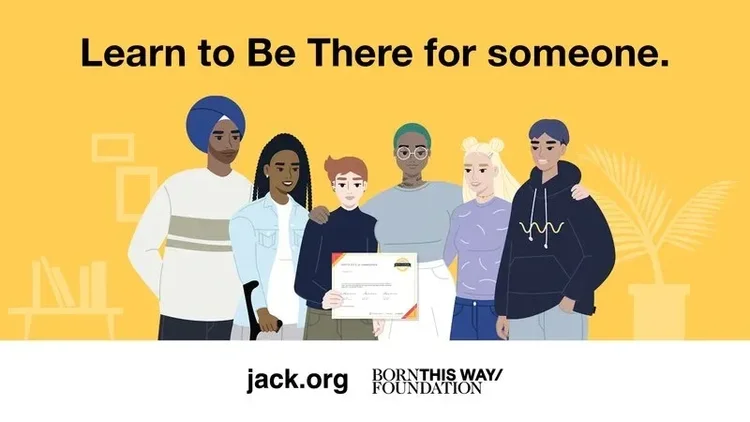 Be There CertificateFree online mental health courseEarn your certificate →
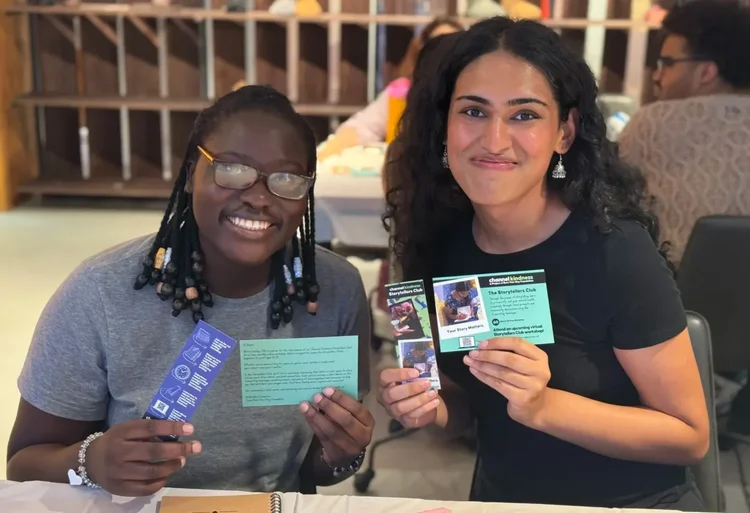 Channel KindnessStories of kindness and braveryRead stories →
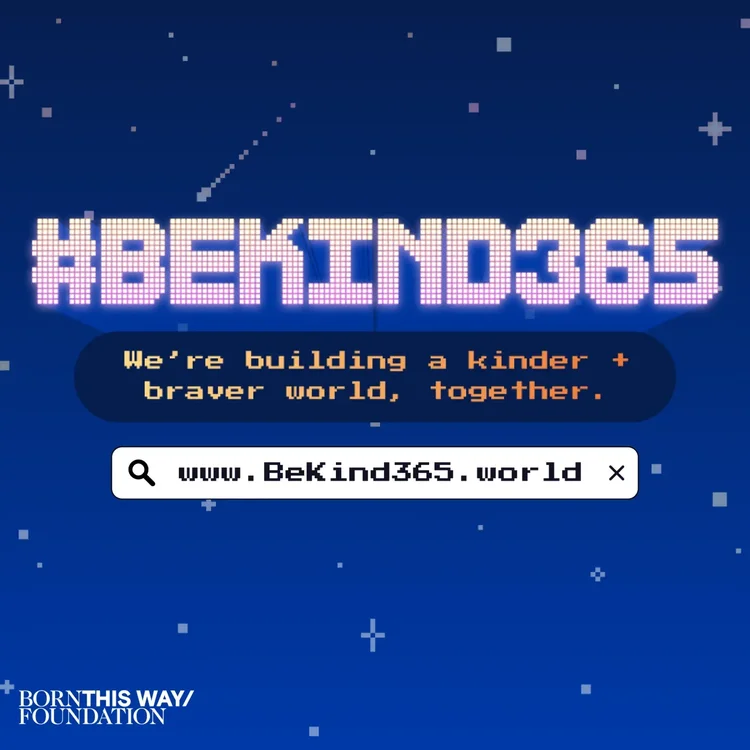 #BeKind365Daily acts of kindnessTake the pledge →
 Advocate for LGBTQ+ Young PeopleA guide on how to be an active allyRead the guide →
Be There Certificate
The Be There Certificate is a free, self-paced online mental health course that provides you with the knowledge, skills, and confidence needed to safely support anyone who may be struggling with their mental health. Be There’s 5 Golden Rules provide a simple and actionable framework, teaching people how to recognize when someone might be struggling, understand their role in supporting that person, and connect them to the help they need and deserve. The course is available in English, French, and Spanish, and offers universal best practices in supporting youth mental health while diving deeper into the intersections of culture, identity, and social determinants of mental health.
Channel Kindness
Channel Kindness, a storytelling platform created by Born This Way Foundation, is a safe space for young people to tell their stories of kindness, bravery, resilience, and community. By highlighting the people and organizations that are doing good in their communities, Channel Kindness’ audience is inspired to create a kinder and braver world, one story at a time.
#BeKind365
#BeKind365, created by Born This Way Foundation, is a digital platform designed to help us practise intentional kindness every day through a variety of features that invite everyone to take daily kind action for ourselves, our loved ones, our community, and the planet. To date, people across more than 100 countries have participated in the #BeKind365 movement.
Advocate for LGBTQ+ Young People
Advocate for LGBTQ+ Young People: A Guide on How to Be an Active Ally is from Born This Way Foundation and its partners. It is for anyone who wants to support LGBTQ+ young people, online and offline, with quick actions you can take this week, longer-term ways to advocate and vetted resources, all shaped by LGBTQ+ young people and experts.
Cyberbullying and online safety
Youth Digital Compass
Developed by researchers at McGill University, Youth Digital Compass offers research-based resources to help youth, parents, and educators navigate online life safely. Explore videos, infographics, quizzes, and tip sheets that build awareness of cyberbullying and encourage kindness, respect, and positive digital citizenship.
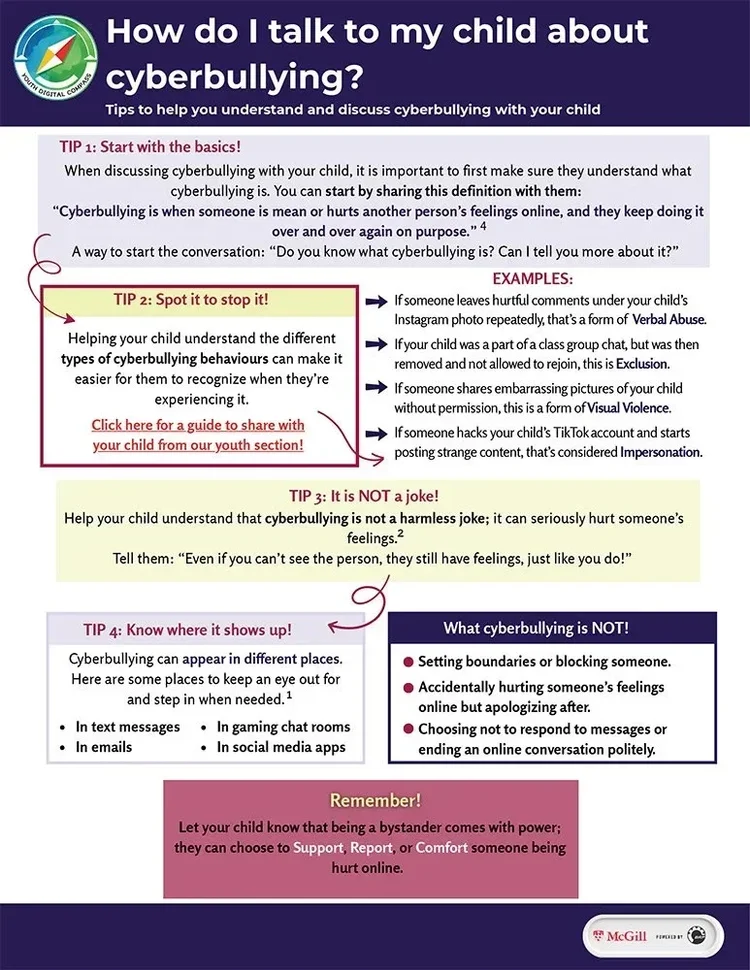 Understanding CyberbullyingFor parents and caregiversRead the guide →
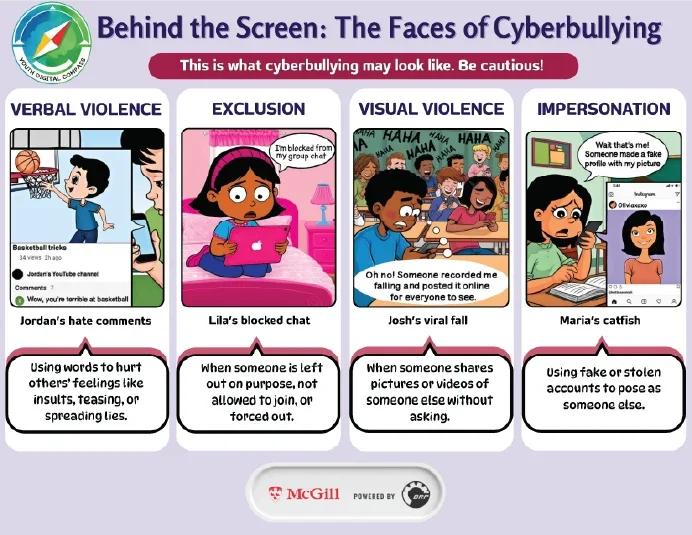 That’s Cyberbullying!For teachersSee the lesson →
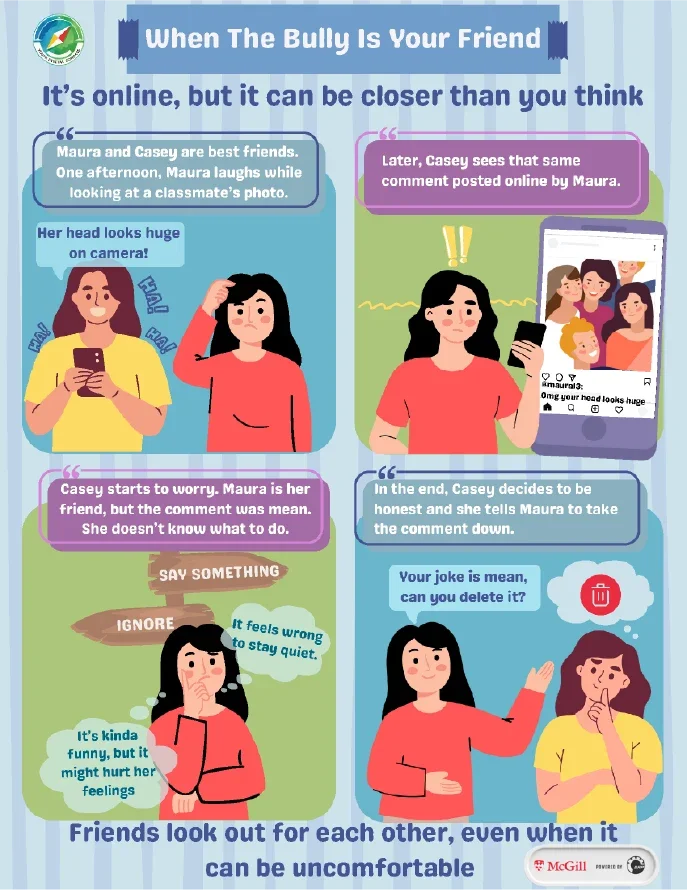 Youth’s CornerFor youthExplore →
For parents and caregivers: Understanding cyberbullying
Access downloadable fact sheets, practical tip sheets, and guides to help support children’s online experiences. Topics include understanding and responding to cyberbullying, digital safety and well-being, encouraging upstander behaviour, and guiding respectful online interactions. Dedicated guides also explain Discord, Snapchat, Instagram, and TikTok, including potential risks, safety features, and ways families can stay informed and involved.
For teachers: That’s cyberbullying!
Introduce students to different forms of cyberbullying and where it can happen. This youth-focused lesson includes a video, downloadable infographics, and a quiz that educators can use to start classroom conversations about recognizing harmful online behaviour.
Youth Digital Compass is developing research-based materials to support teachers. Its dedicated teacher section will be updated as these resources become available.
For youth: Standing strong against cyberbullies
Explore four learning zones covering how to recognize cyberbullying, stay safe online, support others experiencing cyberbullying, and communicate with kindness and respect. Videos, downloadable infographics, and interactive quizzes help young people build their understanding and explore practical ways to create safer, more welcoming online spaces.
Autism awareness
The Quinni Project
Founded by Cameron Tania, an award-winning Toronto singer-songwriter and vocal coach, The Quinni Project raises awareness of low support needs autism, masking, and late diagnosis in young adult women. Developed through the VERSIONS Youth Fellowship, it was inspired by Cameron’s own journey toward diagnosis and seeing herself reflected in Quinni, the autistic character in Heartbreak High.
Drawing on research, lived experience, professional consultation, and community voices, the project offers an educational pamphlet, an accessible audio version, and community resources.
For the Florens Foundation community, this resource offers a starting point for conversations about bullying, exclusion, and the pressure to hide parts of yourself to fit in. Cameron’s work as a musician and educator also highlights the importance of creative self-expression and spaces where everyone feels safe, understood, and free to be themselves.
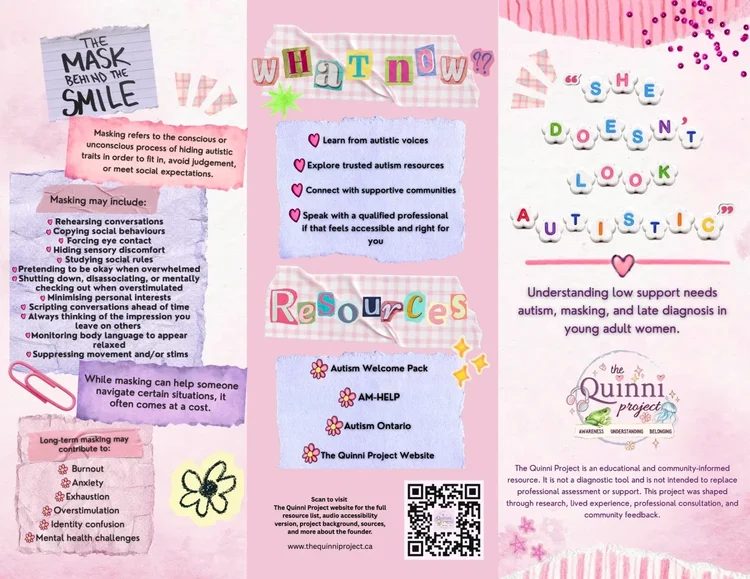 The Quinni Project pamphletRead or listen to the audio versionVisit The Quinni Project →
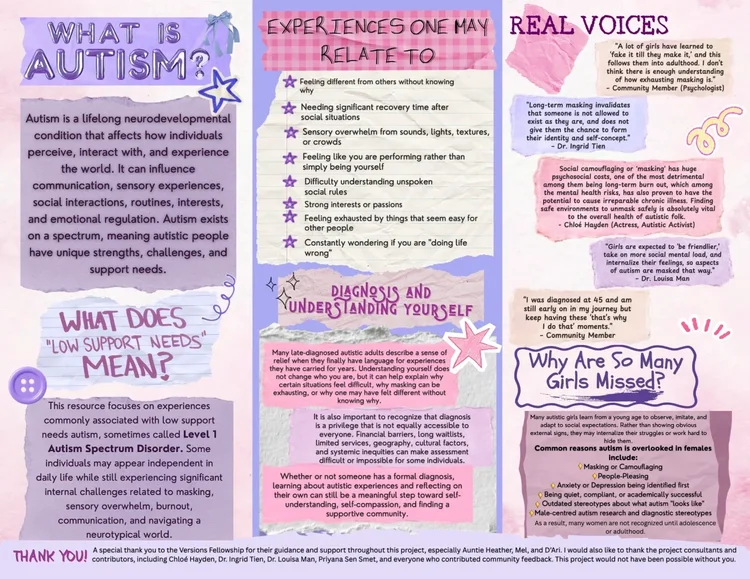 Inside the pamphletWhat autism is, and real voicesRead the pamphlet →
“She Doesn’t Look Autistic”: The Quinni Project
This educational pamphlet explores low support needs autism, masking, and late diagnosis in young adult women. Through lived experiences and professional perspectives, it explains why autism can go unrecognized, highlights the impact of masking, and shares resources to support self-understanding and belonging.
Elementary school students
Book Partnerships
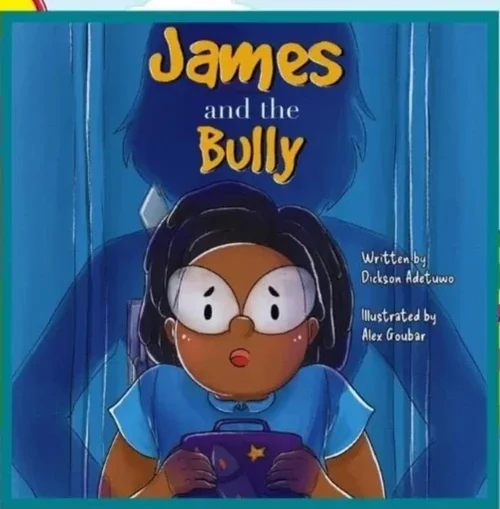
James and the Bully
by Dickson Adetuwo
Order →
The Adventures of Archer the Axolotl
by Faith Cellan
Order →James and the Bully
James and the Bully, by Dickson Adetuwo, follows a young boy facing persistent bullying at school. Discussion questions are included to encourage reflection among young readers about their own experiences with bullying.
10% of book sales is donated to Florens Foundation! Order →
The Adventures of Archer the Axolotl
Discover how Archer, once bullied for his “distinctive” appearance, learned Jiu-jitsu and used his extraordinary abilities to become the Guardian of the Lake. Author Faith Cellan, who wrote the book at 11 years old, is a strong advocate in the fight against bullying.
10% of book sales is donated to Florens Foundation! Order →
Truth and reconciliation
Gord Downie & Chanie Wenjack Fund
Created in memory of Chanie Wenjack, a 12-year-old Anishinaabe boy who died in 1966 after running away from a residential school, the Gord Downie & Chanie Wenjack Fund offers free reconciliation education resources for schools and communities, including its Legacy Schools program.
For educators and schools
The Fund’s Legacy Schools program and educational resources help classrooms learn about the history and legacy of residential schools and take action toward reconciliation.
Explore Legacy Schools resources →